
How to Bypass Shadow Ban Detection Algorithms in Instagram and Protect Automation from Hidden Bans
Automating processes in Instagram requires a deep understanding of Meta's security systems, which actively monitor for any suspicious activity. The primary barrier for software developers and SMM engineers is hidden content filtering, commonly known as a shadow ban. The platform's algorithms analyze behavioral factors, network parameters, and proxy quality to restrict the reach of suspicious profiles without notifying the owner. Without proper masking of the digital footprint and IP address rotation, even high-quality accounts fall under hidden sanctions. The PR Motion team develops solutions designed to adapt network parameters to Instagram's strict security requirements. Understanding the core principles of shadow ban detection algorithms is essential for building resilient, long-term automation systems.
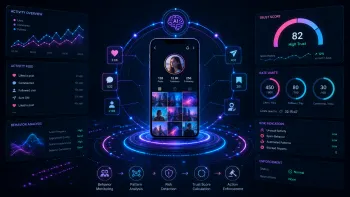
What is Shadow Ban Detection Algorithms in Instagram in Simple Terms
Shadow Ban Detection Algorithms in Instagram are automated activity analysis systems that hide a user's posts from recommendation sections, hashtag searches, and the feeds of non-followers without sending an official warning about a policy violation.
Unlike classic blocks, whose operational rules are defined in authorization and session standards such as RFC 6265, a shadow ban does not terminate the current session. The user continues to publish content, but it is only visible to current followers. Meta's algorithms evaluate the account's reputation based on behavioral patterns and network parameters.
For automation specialists, this means that running multiple accounts from a single IP address will inevitably link them together. Even if you use different profiles, Instagram will detect the identical device fingerprint and impose restrictions on the entire network. PR Motion engineers point out that Meta's security system cross-references the browser fingerprint with the network address. Any discrepancy between the proxy's time zone and the device's system time leads to account penalization.
Shadow ban detection technology operates completely invisibly to the user. When publishing content or sending requests via API, background scripts run to query information from the operating system. PR Motion developers recommend using specialized tools to spoof these parameters and emulate real mobile devices. This distributes the load and prevents profiles from being linked by their hardware signatures.
Meta's hidden filters constantly analyze the profile's interaction history. If an account frequently performs repetitive actions, the algorithm reduces the priority of its impressions. PR Motion specialists emphasize that using clean mobile IP addresses helps bypass this barrier. Mobile carriers utilize CGNAT technology, distributing a single address among thousands of users, which makes blocking a specific node highly difficult.
How Shadow Ban Detection Algorithms Work
Shadow Ban Detection Algorithms function based on a multi-factor analysis of behavioral patterns, network address (IP) reputation, and the compliance of the device's digital fingerprint with the standards of real users.
The identification process is structured as a multi-layered analysis triggered during every session. Meta's security system gathers hundreds of parameters to build a cohesive user profile. PR Motion specialists highlight the following stages of this algorithm's operation:
- Network environment analysis. The system checks the IP address type (datacenter, residential, or mobile) and cross-references it with a database of known proxy providers.
- Digital fingerprint verification. Using WebGL and Canvas APIs, the system renders hidden images to detect emulators.
- Activity limit monitoring. The frequency of likes, follows, and comments is tracked within a sliding one-hour window.
- Content metadata analysis. EXIF data of uploaded images and the uniqueness of hashtags are verified.
- Behavioral factor evaluation. Cursor movement speed, click patterns, and text input speed are recorded.
Any inconsistency within these parameters flags the security algorithms of potential automation. For instance, if the User-Agent header indicates an Android mobile device, but the Canvas test reveals an Nvidia GeForce desktop GPU, the account will be sent for verification or receive a shadow ban. In the instagrapi on GitHub repository, developers actively discuss the complexities of emulating native mobile device parameters, confirming the strictness of Meta's filters.
To bypass these checks, PR Motion engineers implement comprehensive emulation that spoofs not only headers but also low-level rendering parameters. This creates isolated digital personas that appear to Instagram's filters as legitimate users operating unique smartphones.
The behavioral factor is evaluated by analyzing delays between actions. A real human cannot perform clicks with millisecond precision. PR Motion engineers recommend implementing randomized pauses in automation scripts. This helps simulate natural feed browsing and reduces the likelihood of triggering shadow ban indicators.
Technical Parameters and Limits of Shadow Ban Detection Algorithms
The technical parameters of Shadow Ban Detection Algorithms in Instagram comprise over 100 unique data points, including Canvas, WebGL, audio fingerprints, and network headers.
Each data point carries a specific weight in the account's overall Trust Score. If the system detects discrepancies in critical parameters, action limits are drastically reduced. PR Motion specialists have systematized the key parameters and limits in the detailed table below, based on security research and open-source data from private API developers, including the instagram-private-api on GitHub repository.
| Scenario or Data Type | Limit (Rate Limit) | Consequences of Exceeding | Data Source |
|---|---|---|---|
| Using datacenter IP addresses | 0 datacenter IPs allowed for automation | Instant shadow ban or block | instagrapi GitHub |
| WebGL and User-Agent mismatch | 0 discrepancies allowed | Session reset and verification requirement | Meta Graph API Docs |
| Frequency of IP address change in one session | Prohibited within a single session | Suspicion of unauthorized access and account freeze | RFC 7230 Standard |
| Using a single fingerprint across different IPs | Up to 2 accounts per fingerprint | Block of the entire profile network | instagram-private-api GitHub |
When designing automation systems, developers must keep in mind that Instagram constantly updates its database of known, legitimate device fingerprints. If your software generates a non-existent hardware combination (e.g., an incompatible CPU and GPU pair), Meta's algorithm will immediately flag the profile. PR Motion engineers recommend using only authentic device configurations harvested from active mobile phones and tablets.
Special attention must be paid to WebRTC parameters. This protocol can expose the device's actual local IP address, bypassing standard proxies. If WebRTC is not configured properly, Instagram will detect your real home or server IP, resulting in the immediate termination of all linked accounts. PR Motion specialists configure network packets to prevent the leakage of real data.
How PR Motion Solves the Shadow Ban Detection Algorithms Problem
The PR Motion platform addresses the challenges of Shadow Ban Detection Algorithms by providing clean residential mobile proxies and automating digital fingerprint spoofing at the network packet level.
Safely managing multiple accounts requires a comprehensive approach that pairs high-quality proxies with precise software configuration. Standard datacenter proxies are easily flagged by Meta's security systems due to their recognizable IP ranges. PR Motion provides access to a pool of residential mobile proxies that utilize IP addresses from actual cellular carriers. To Instagram's algorithms, requests from these addresses appear completely organic, as thousands of legitimate users share these same gateways daily.
Additionally, PR Motion's infrastructure integrates seamlessly with popular anti-detect browsers and automation libraries. Our system helps align your proxy's network parameters with your generated digital fingerprint. For example, when an IP address rotates, WebRTC parameters, time zones, and geolocations are automatically synchronized, eliminating the critical discrepancies that trigger blocks.
Leveraging PR Motion's solutions allows you to automate Instagram operations without the risk of losing valuable accounts. You get a stable, secure connection protected against Deep Packet Inspection (DPI) and advanced device identification systems. This enables safe data scraping, seamless ad campaigns, and efficient scaling of your social media business.
Tired of constant checks and shadow bans interrupting your scripts? Browse our catalog and choose the optimal pool of mobile IP addresses from PR Motion.
Frequently Asked Questions (FAQ)
